Tissue-Pathway Peptides
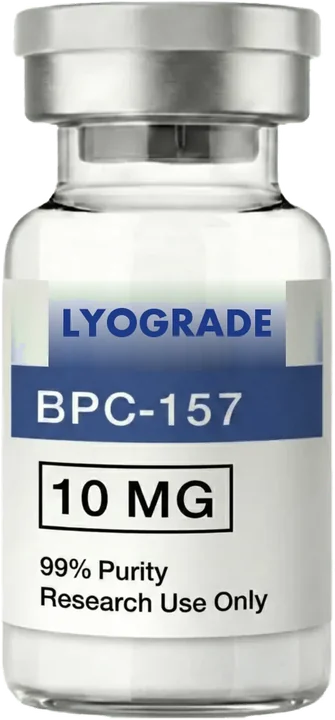
BPC-157
A 15-residue synthetic peptide with the sequence GEPPPGKPADDAGLV, cataloged as a sealed lyophilized reference vial.
10mg
View DetailsFreeze-Dried. Sealed. Cataloged.
LyoGrade organizes freeze-dried research peptides by research area, with a stated specification on every vial and batch documentation confirmed on request.
Every entry is organized the same way: research area, specification, vial format.
Peptides are freeze-dried into a stable powder and sealed under controlled conditions before the vial is labeled.
CAS number, molecular weight, formula, and appearance are listed plainly wherever they apply to that entry.
Incretin, metabolic, tissue, neuro, endocrine, blend, and liquid entries sit in their own catalog sections.
Batch documentation for a given vial is confirmed when you reach out, rather than bundled as generic paperwork.
A cross-section of the catalog, spanning incretin, tissue, and metabolic research areas.
Tissue-Pathway Peptides
A 15-residue synthetic peptide with the sequence GEPPPGKPADDAGLV, cataloged as a sealed lyophilized reference vial.
10mg
View DetailsIncretin-Pathway Peptides
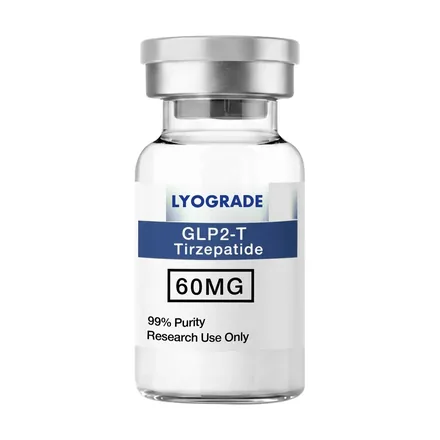
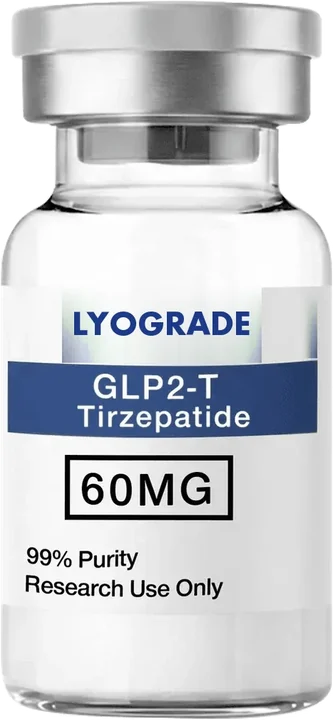
A modified GIP-sequence peptide with GLP-1 receptor activity, sealed as a lyophilized vial for receptor research.
5mg · 10mg · 20mg · 30mg · 40mg · 50mg · 60mg · 100mg
View DetailsIncretin-Pathway Peptides
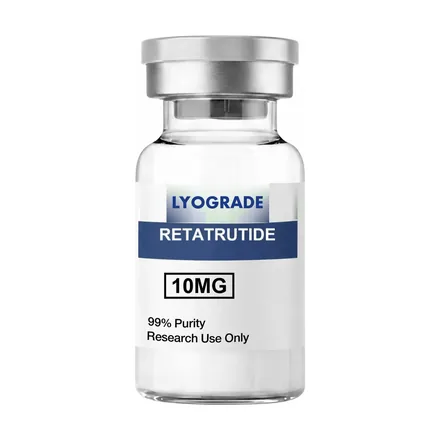
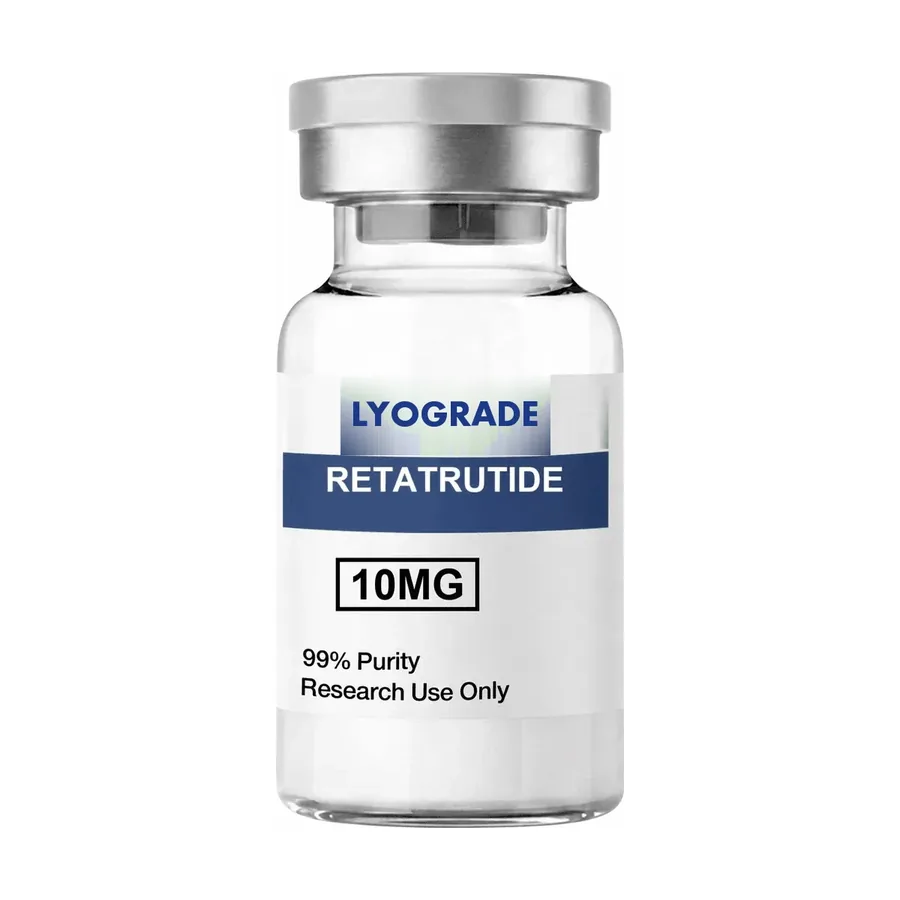
A synthetic peptide studied across GLP-1, GIP, and glucagon receptor systems, sealed as a lyophilized vial for receptor research.
10mg · 15mg · 20mg · 30mg · 40mg · 60mg
View DetailsMetabolic Research Peptides
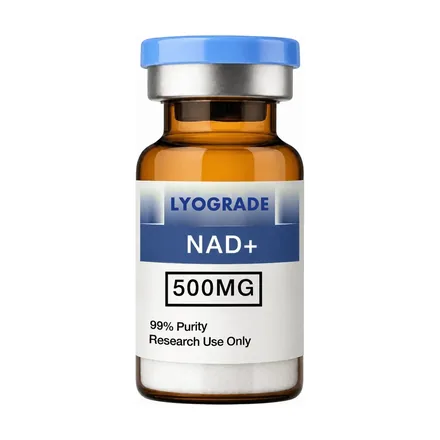
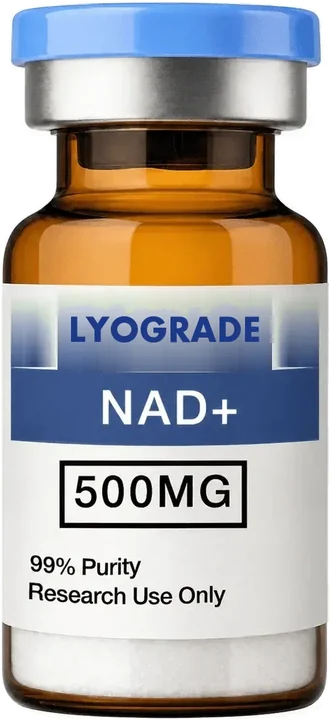
The oxidized form of nicotinamide adenine dinucleotide, supplied as a sealed lyophilized material for cofactor research.
500mg
View DetailsIncretin-Pathway Peptides
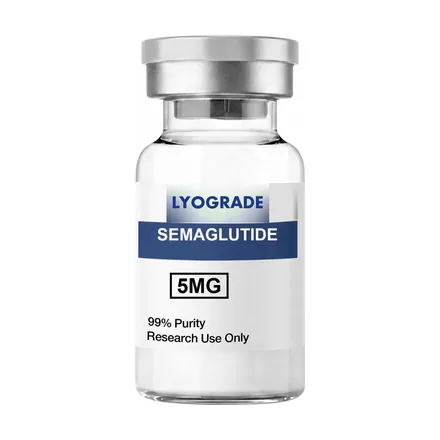
A GLP-1 analogue with a 31-amino-acid backbone and a fatty di-acid side chain, sealed as a lyophilized vial for receptor research.
5mg · 10mg · 15mg · 20mg · 50mg
View DetailsTissue-Pathway Peptides
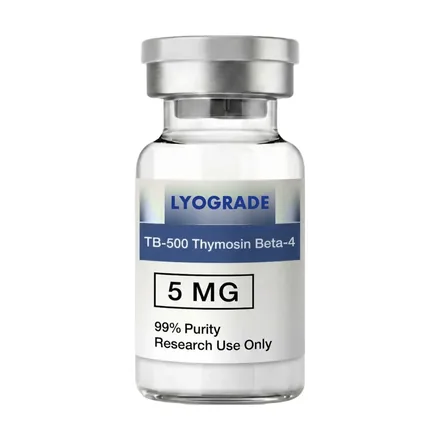
The 43-residue peptide thymosin beta-4, supplied as a sealed lyophilized vial for cellular-signaling research.
5mg
View DetailsMetabolic Research Peptides
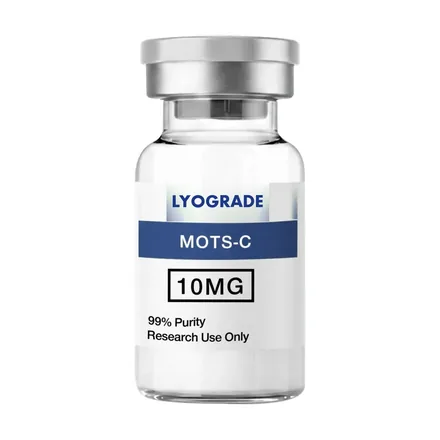
A 16-residue peptide encoded within the mitochondrial 12S rRNA region, supplied as a sealed lyophilized reference vial.
10mg
View DetailsTissue-Pathway Peptides
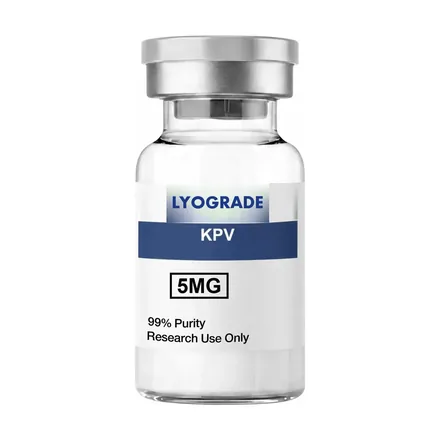
The linear tripeptide lysine-proline-valine, supplied as a sealed lyophilized vial for biochemical reference work.
5mg
View DetailsA lyophilized peptide is only as useful as the vial it arrives in. LyoGrade keeps the format consistent across the catalog: sealed, labeled, and matched to a stated specification, so a research team can move from listing to bench without guesswork.
The process stays short: identify the vial, confirm the specification, take the conversation to WhatsApp.
Filter the catalog by incretin, metabolic, tissue, neuro, endocrine, blend, or liquid entries.
Review CAS number, molecular weight, formula, and available vial sizes on the product page.
Use the contact form to list the products and quantities you are considering.
Your message is copied so you can paste it directly into the chat that opens.
LyoGrade catalogs lyophilized research peptides and related formulations supplied in sealed vials for laboratory research use. Every entry states the specification fields that apply to it.
Most entries are freeze-dried powders. A small number of liquid research formulations are noted as liquid on their product page, with appearance and format stated there.
Lyophilized material generally holds its stated specification longer than the same compound in solution. See the Lyophilization page for a fuller explanation of the process.
Blends and proprietary formulations do not have a single CAS number. Their page notes that the specification is confirmed in batch documentation instead.
Send the research area, the vial, and the quantity you are considering, and we will confirm the rest.
Request a Quote